Concrete planning guide · 2026
Updated August 20, 2026
Concrete Project Timeline & Curing in Wisconsin: What Happens When
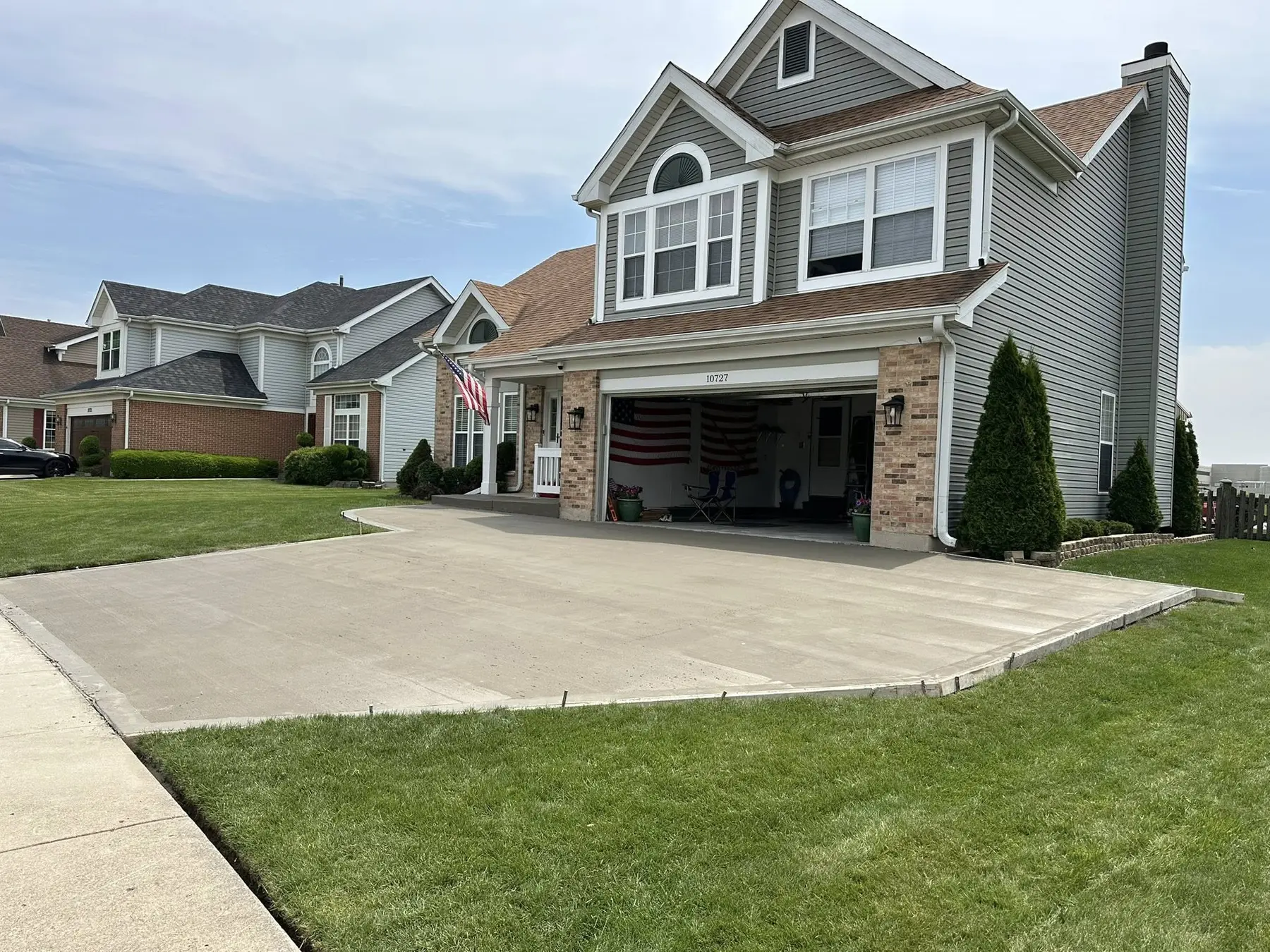
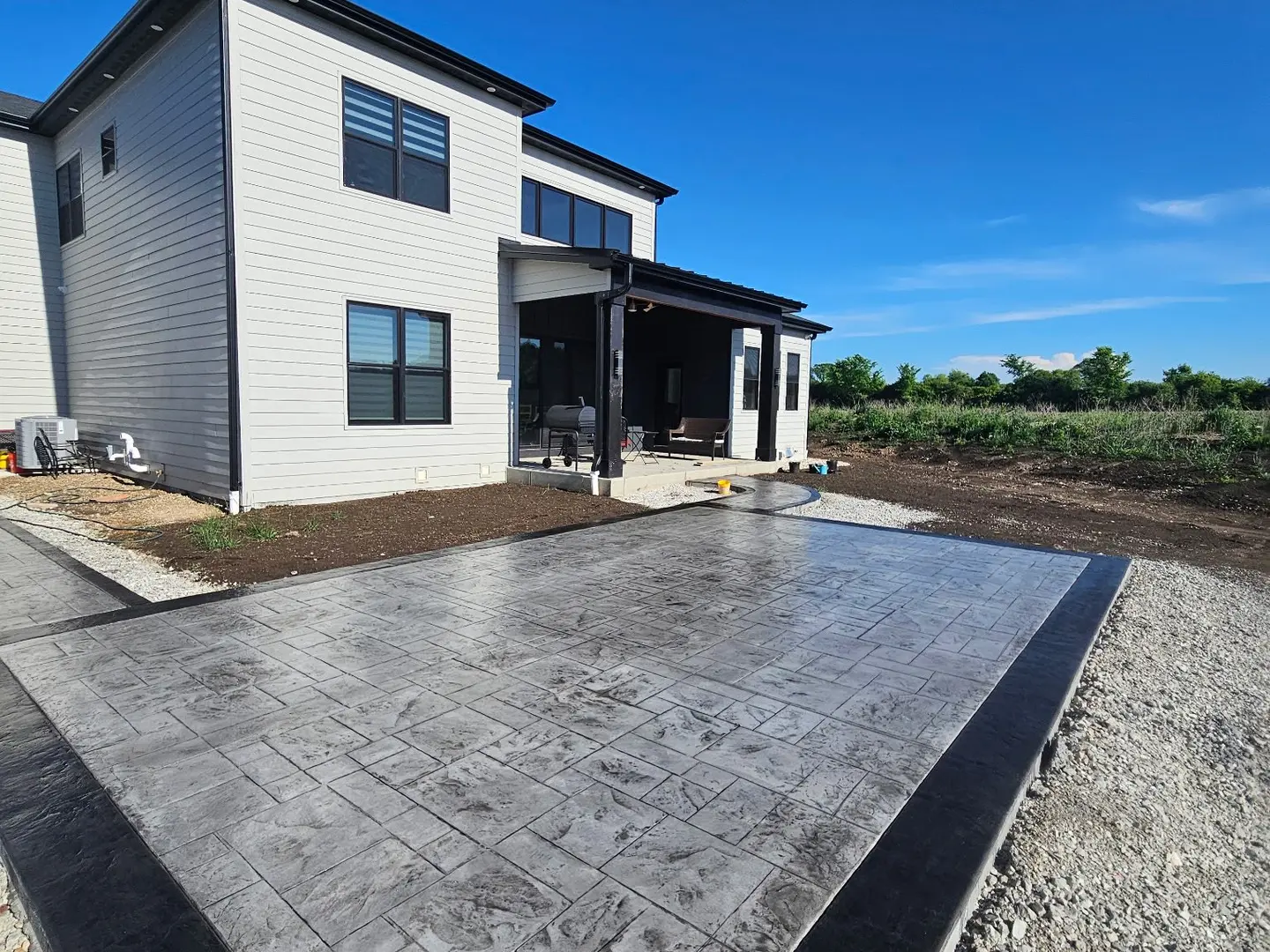
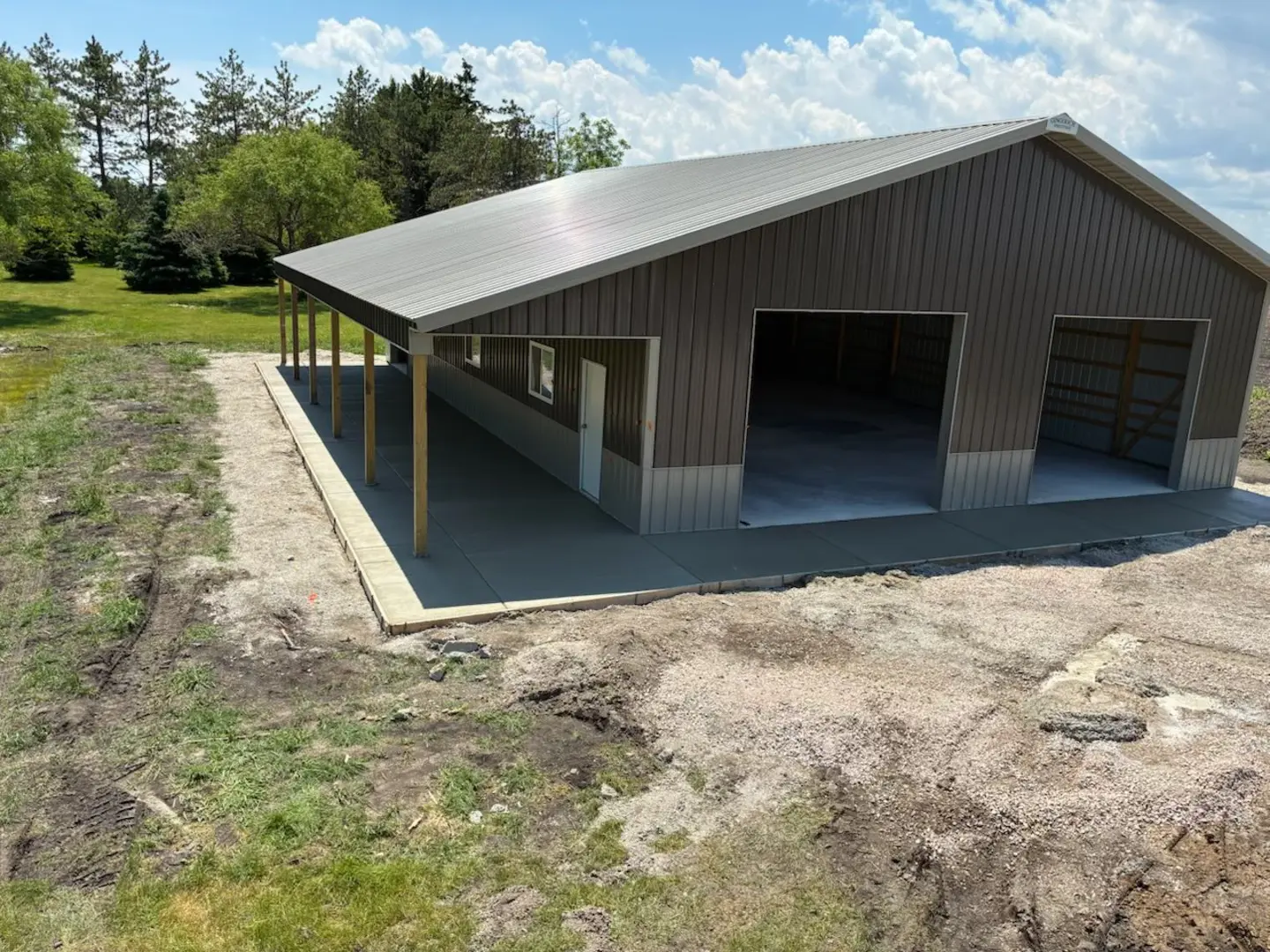
Separate active construction time from curing and return-to-use time. A driveway may look finished when the crew leaves, but excavation, forming, placement, joints, protection, foot traffic, vehicle traffic, and full strength occur on different schedules.
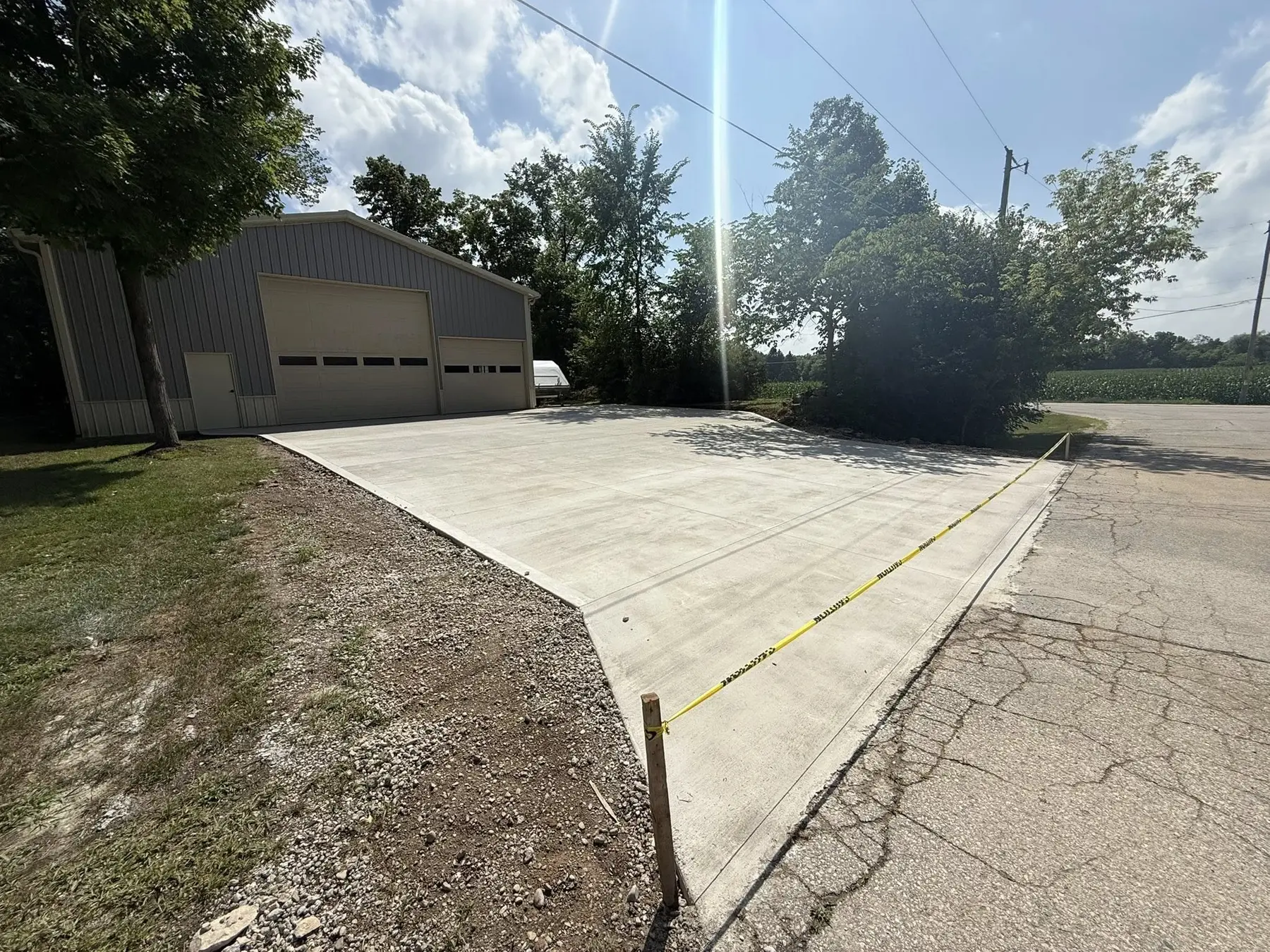
The schedule has three clocks: preparation, placement, and return to use.
Preparation can include demolition, hauling, excavation, base correction, compaction, grading, forming, reinforcement, and inspections. Placement and finishing are weather-sensitive. Curing begins after placement and continues after the surface appears hard.
Use milestones, not one promised completion date.
A useful early plan identifies the expected mobilization window, excavation/forming days, anticipated placement day, saw-cut or joint work, protection period, earliest foot traffic, earliest light vehicle use when applicable, and the longer strength-development period. The contractor’s directions for the actual mix and weather control over generic internet advice.
- Small patio or walk: often 3–7 on-site workdays before cure restrictions
- Typical driveway: often 4–10 on-site workdays before cure restrictions
- Large slab or multi-area scope: often 1–3+ on-site weeks
- Passenger-vehicle access is commonly delayed about a week, but Palacios must confirm
- Concrete strength continues developing toward the conventional 28-day reference
Wisconsin weather changes sequence and protection—not just the calendar date.
Rain, low temperature, high heat, wind, saturated ground, frost, and forecast swings can affect excavation, base readiness, finishing, protection, and curing. A weather delay can be a quality-control decision rather than a scheduling failure.
Market references
Sources help establish an initial band. They do not replace a property review or represent Palacios pricing.